Adaptive Security Protocols Reshaping Access Dynamics Across Global Mobile Gaming Platforms
Written by Harper Neumann · Aug 20, 2026
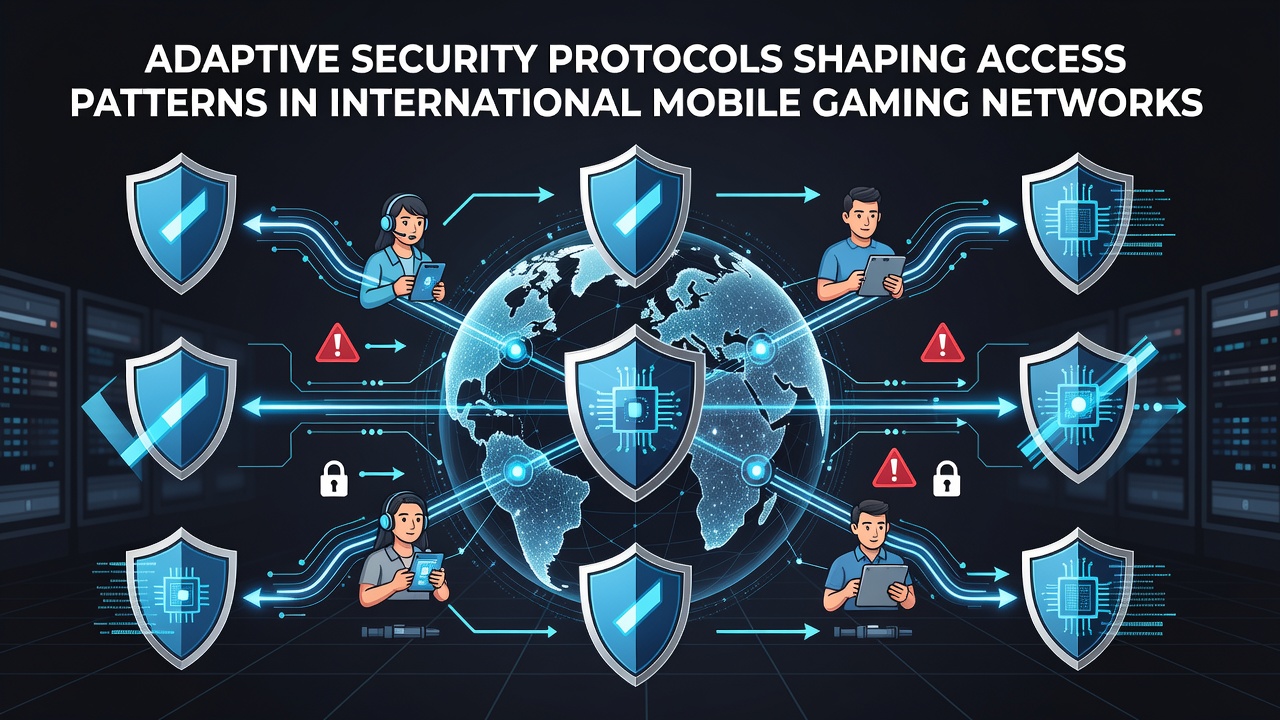
Adaptive Security Protocols Reshaping Access Dynamics Across Global Mobile Gaming Platforms
Adaptive security protocols now monitor real-time user behavior in international mobile gaming networks, adjusting authentication requirements based on location signals, device fingerprints, and connection patterns detected during each session. Researchers at multiple institutions have documented how these systems alter login success rates and session durations when players cross regional boundaries or switch networks mid-play.
Data from industry reports released in early 2026 indicate that platforms implementing multi-factor behavioral analysis reduced unauthorized access attempts by measurable margins compared with static password systems alone. Those who've studied deployment logs note that algorithms flag deviations such as sudden changes in IP geolocation or unusual input timing, prompting additional verification steps that either grant or restrict continued access within seconds.
Core Mechanisms Driving Protocol Adjustments
Systems combine machine learning models with rule-based thresholds to evaluate risk scores for every access request, and operators update these models regularly as new threat vectors emerge in different markets. Studies released by the European Union Agency for Cybersecurity highlight how such layered checks influence player distribution across servers, with certain regions showing higher rates of secondary authentication prompts during peak evening hours.
Device telemetry feeds into these evaluations continuously, allowing protocols to differentiate between legitimate roaming users and potential account-sharing scenarios that violate platform terms. Observers note that access patterns shift noticeably when protocols activate geofencing adjustments, directing traffic toward approved data centers while blocking sessions originating from flagged jurisdictions.
Regional Variations in Implementation and Effects
Implementation differs across Asia-Pacific markets where regulatory frameworks emphasize data localization, requiring protocols to route verification through local nodes before permitting entry to international game instances. Figures from the Australian Communications and Media Authority reveal that compliance-driven adaptations led to altered session start times for users in those territories during the first half of 2026.
North American operators meanwhile integrate similar tools with payment gateway monitoring, creating combined risk profiles that affect both login and in-game transaction approvals. One analysis of aggregated network data showed that players frequently experience seamless access when their activity aligns with established behavioral baselines, whereas deviations trigger immediate protocol responses that can pause play until confirmation completes.

Impact on Player Movement and Network Traffic
Access pattern changes become visible in traffic analytics when protocols dynamically throttle bandwidth or enforce step-up authentication for accounts showing cross-border activity spikes. Research papers examining 2025-2026 datasets found that such measures correlate with reduced simultaneous logins from shared devices, altering how international player communities interact during live events or tournaments.
Protocols also incorporate time-based elements, adjusting sensitivity during periods of high global activity such as major game launches or seasonal promotions tracked through August 2026. Network operators report that these temporal adjustments help maintain stable access for verified users while interrupting patterns associated with automated scripts or credential-stuffing campaigns.
Future Developments and Ongoing Monitoring
Continued refinement of these protocols relies on feedback loops that incorporate anonymized access data from diverse regions, enabling models to predict and preempt emerging evasion tactics. Industry associations track how evolving standards influence overall network load distribution, particularly as 5G adoption expands mobile gaming reach in previously underserved markets.
Conclusion
Adaptive security protocols continue to modify access patterns by responding to individualized risk signals across international mobile gaming networks, producing measurable shifts in login behavior, session continuity, and regional traffic flows. Ongoing data collection from regulatory bodies and research institutions supports further calibration of these systems as global player bases expand.