Currency Volatility Patterns Reshaping Access to Live Dealer Networks Globally
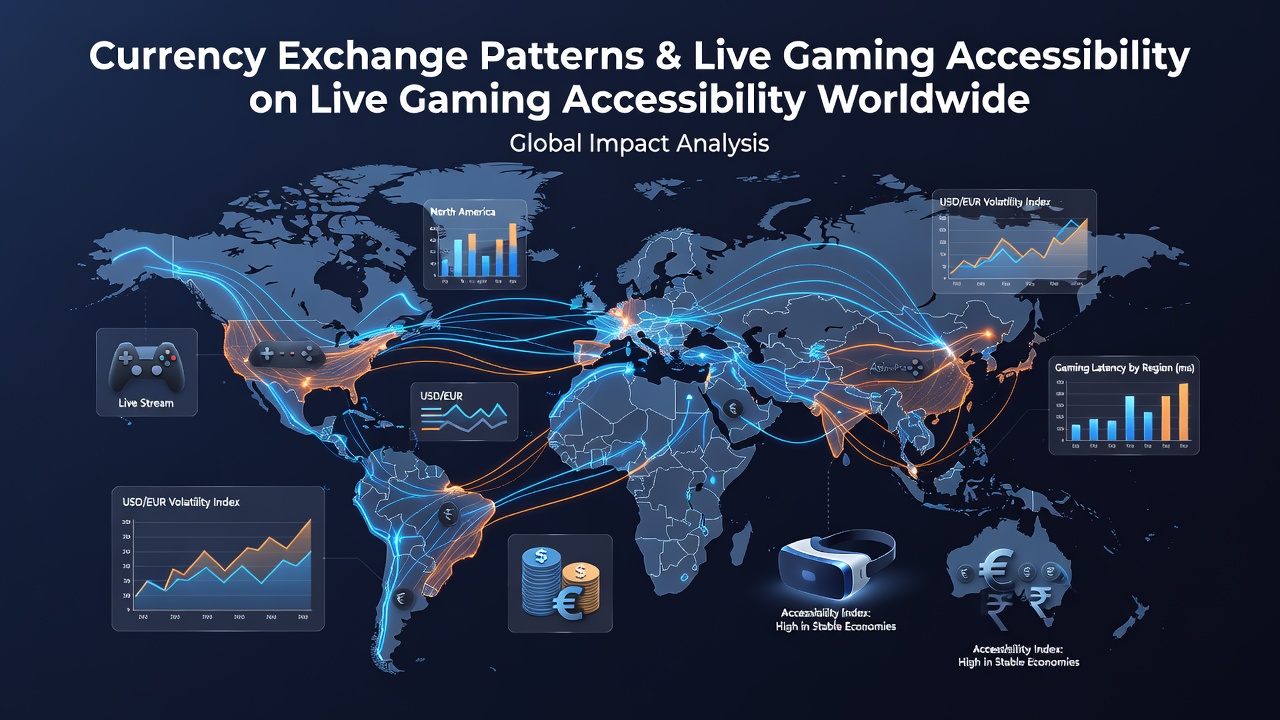
Exchange rate fluctuations create direct pathways that either expand or restrict player participation in live dealer games, and observers note these patterns have intensified since early 2025. Live gaming platforms rely on seamless deposits and withdrawals in multiple currencies, yet volatility in major pairs like EUR/USD and USD/CNY often determines whether users in emerging markets can maintain consistent access. Data from industry tracking services shows that regions with unstable local currencies experience sharper drops in active sessions during periods of rapid depreciation.
Regional Currency Corridors and Player Reach
European markets demonstrate how stable corridors support broader accessibility, whereas emerging Asian economies face tighter constraints when local currencies weaken against the USD. In July 2026 several platforms reported adjusted payout schedules for players converting from INR and IDR, reflecting ongoing pressures from central bank interventions. Those who monitor transaction data find that corridors between the eurozone and Southeast Asia now process higher volumes during low-volatility windows, allowing operators to maintain live tables without extended settlement delays.
North American operators have adapted by prioritizing CAD and MXN pairs, and figures reveal that cross-border live roulette sessions from Canadian accounts rose noticeably after the Bank of Canada stabilized rates in the second quarter of 2026. Meanwhile Latin American users encounter longer verification windows when converting from BRL or ARS, prompting some networks to introduce temporary multi-currency wallets that buffer against sudden swings.
Impact on Deposits, Withdrawals and Session Continuity
Players in high-volatility zones often see deposit minimums effectively rise when exchange spreads widen, and this dynamic directly reduces the number of live blackjack hands completed per session. Research indicates that a 5 percent shift in the USD/TRY rate can push Turkish users toward shorter play periods or complete withdrawal from certain networks until rates stabilize. Operators respond by routing transactions through intermediary stablecoins in select corridors, though regulatory frameworks in different jurisdictions still dictate how quickly these options reach end users.
Withdrawal timelines stretch when currency corridors experience congestion, and analysts tracking July 2026 metrics observed average delays of 48 hours for players converting from ZAR back to USD during a brief rand depreciation event. Such interruptions break session momentum in live dealer environments where timing matters, leading platforms to deploy predictive alerts that warn users of impending rate changes before they initiate cashouts.
Technological Adjustments and Regulatory Influences
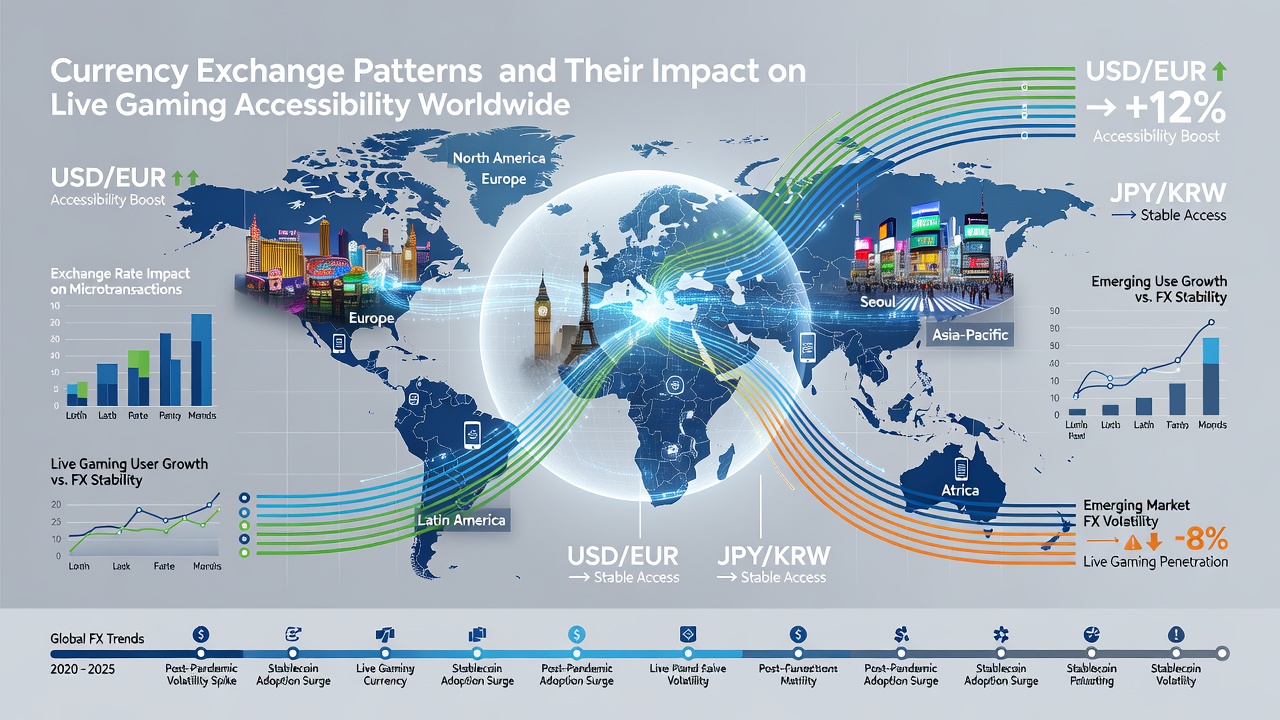
Platform providers now integrate real-time rate feeds directly into cashier interfaces, and this approach lets users preview final amounts in their local currency before confirming a deposit. According to reports from the Pennsylvania Gaming Control Board, operators licensed in the state began testing dynamic pricing modules in early 2026 to accommodate fluctuating exchange inputs without manual intervention. Similar pilots in Ontario through the Alcohol and Gaming Commission of Ontario have produced measurable reductions in abandoned transactions during volatile periods.
These adaptations matter because live gaming depends on uninterrupted connectivity, and any friction at the funding stage cascades into lower table occupancy. Observers tracking global traffic patterns note that networks offering automatic hedging against major currency pairs retain higher percentages of international users month over month, especially when compared with platforms that maintain single-currency settlement only.
Conclusion
Currency exchange patterns continue to define the boundaries of live gaming accessibility, and the data from mid-2026 underscores how even modest rate movements alter participation levels across multiple continents. Operators that align their payment infrastructure with corridor-specific realities maintain steadier user bases, while regions lacking such alignment experience periodic drop-offs that coincide with local currency stress events. As rate monitoring tools become standard components of live dealer platforms, the relationship between exchange dynamics and global access grows more transparent yet remains tightly linked to the underlying economic conditions in each market.