Interlinked Fund Channels and Their Effects on Security Measures in Mobile Poker and Live Gaming Networks
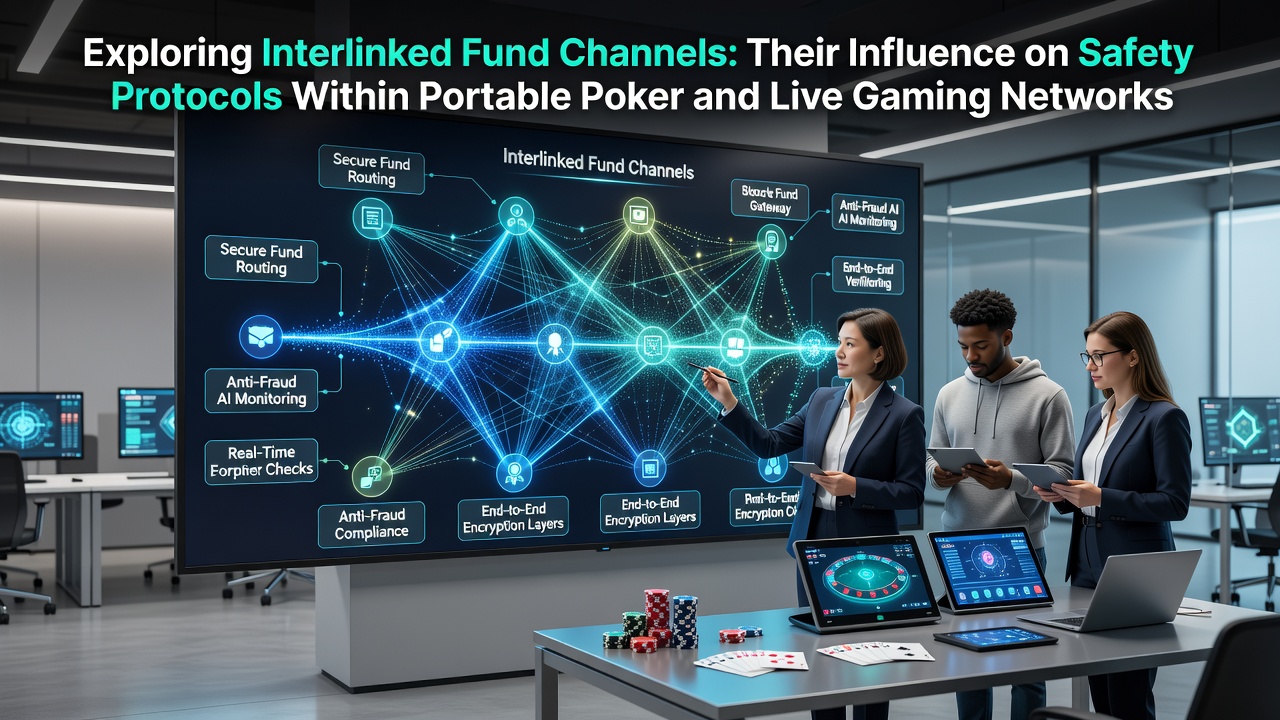
Payment networks in mobile gaming have grown more connected over recent years, linking banks, digital wallets, and cryptocurrency processors into shared systems that move funds across portable poker rooms and live dealer tables. These interlinked fund channels allow transactions to route through multiple gateways simultaneously, which creates both efficiencies and new considerations for how platforms manage verification steps and fraud detection. In June 2026 data from regional regulators showed continued growth in cross-border transfers within these networks, particularly in markets where operators combine traditional banking rails with instant settlement options.
Structure of Connected Payment Systems
Modern setups often route a single deposit through an initial processor, then a secondary verification layer, and finally into the gaming operator's account, with each hop carrying metadata that security teams analyze in real time. Portable poker applications rely on these chains to handle rapid buy-ins during tournaments, while live gaming networks use the same pathways to support continuous table stakes without interrupting play. Observers note that the connections between these channels let platforms cross-reference user behavior across multiple payment methods, which strengthens pattern recognition for unusual activity.
Operators integrate APIs that pull information from several sources at once, allowing a withdrawal request to trigger checks against historical deposit patterns and device fingerprints. Research from industry groups indicates that such layered routing reduces processing delays by an average of 18 percent compared with isolated systems, according to figures compiled through mid-2026. Those same connections also feed data into centralized monitoring dashboards that flag inconsistencies across regions.
Influence on Verification and Monitoring Protocols
Security teams have adjusted their protocols to account for the visibility gained when fund channels share information. Instead of treating each payment source separately, platforms now apply unified risk scores that combine signals from every linked channel. This approach means a player flagged on one wallet service automatically receives heightened scrutiny on linked bank transfers or crypto deposits.
Live gaming networks benefit particularly because table-side transactions occur in quick succession, and any mismatch in funding sources can pause play until verification completes. Mobile poker operators similarly use these interlinks to enforce spending limits that span multiple sessions and devices. Data compiled by North American regulatory bodies in early 2026 highlighted that platforms employing connected channel monitoring recorded lower rates of disputed transactions than those relying on single-source verification.

Regional Regulatory Responses
Authorities in several jurisdictions have begun requiring operators to document how interlinked channels feed into their overall compliance frameworks. The New Jersey Division of Gaming Enforcement updated its technical standards in spring 2026 to include specific provisions for shared payment metadata, mandating that operators maintain audit trails covering every hop in a transaction chain. Similar guidance appeared in Canadian provincial frameworks, where regulators emphasized the need for consistent data retention across wallet and banking partners.
These requirements encourage platforms to adopt standardized reporting formats that let oversight bodies review activity spanning multiple fund sources. One study released by a European research consortium in 2026 examined transaction logs from several operators and found that interconnected monitoring identified potential policy violations an average of 2.3 days earlier than fragmented systems.
Practical Effects on User Experience and Platform Operations
Players encounter fewer interruptions when platforms leverage connected channels for background checks, because verification steps occur without requiring repeated manual submissions. At the same time, operators report that the richer data streams support more precise allocation of bonus funds and loyalty rewards across poker and live tables. Industry associations tracking these developments note that the efficiency gains have prompted wider adoption of real-time settlement tools, especially in markets where live gaming sessions run around the clock.
Yet the same connectivity introduces dependencies: when one channel experiences a temporary outage, downstream services can face cascading delays until traffic reroutes. Platform engineers address this by maintaining redundant pathways and automated failover procedures that activate within seconds. Reports from Australian oversight agencies in June 2026 documented that operators with diversified channel connections experienced shorter service disruptions during peak hours compared with those using fewer routes.
Conclusion
Interlinked fund channels continue to shape how security protocols operate within portable poker and live gaming environments. The shared data flows enable more comprehensive monitoring while supporting faster transaction handling across regions. Regulatory updates in 2026 reflect ongoing efforts to standardize practices around these connections, and operational data shows measurable impacts on verification speed and risk detection. As networks expand, the relationship between payment infrastructure and protective measures remains a central focus for operators and oversight bodies alike.