Touchscreen Triumphs: Adapting Blackjack Strategies for Mobile Play
Touchscreen Triumphs: Adapting Blackjack Strategies for Mobile Play
The Surge in Mobile Blackjack Engagement
Mobile blackjack has exploded in popularity, with players flocking to apps and browser-based games that deliver the casino thrill right to their pockets; data from early 2026 shows mobile gaming accounting for over 60% of all online blackjack sessions in regulated markets like New Jersey and Pennsylvania, where iGaming revenue in April alone topped $270 million, driven largely by touchscreen formats. Researchers at the New Jersey Division of Gaming Enforcement note that this shift happened because smartphones offer seamless access during commutes or breaks, turning idle moments into strategic opportunities without the need for a desktop setup.
But here's the thing: while the game's core rules—hitting, standing, doubling down, splitting—remain unchanged, the touchscreen interface demands tweaks to classic strategies; experts who've analyzed player data discover that those who adapt quickest see house edges drop by up to 1.5%, closer to the optimal 0.5% achievable with perfect basic strategy on larger screens.
Navigating Touchscreen Challenges
Touchscreens introduce friction that's absent in mouse-driven desktop play, where precise clicks handle bets and decisions effortlessly; on mobile, fat-finger errors lead to accidental hits or misbets, so players often find success by enabling larger button sizes in app settings, a feature now standard in platforms from operators like BetMGM and DraftKings. Studies from the Pennsylvania Gaming Control Board reveal that in Q1 2026, mobile blackjack sessions averaged 25% shorter than desktop ones, but win rates held steady for users who practiced swipe-based controls first.
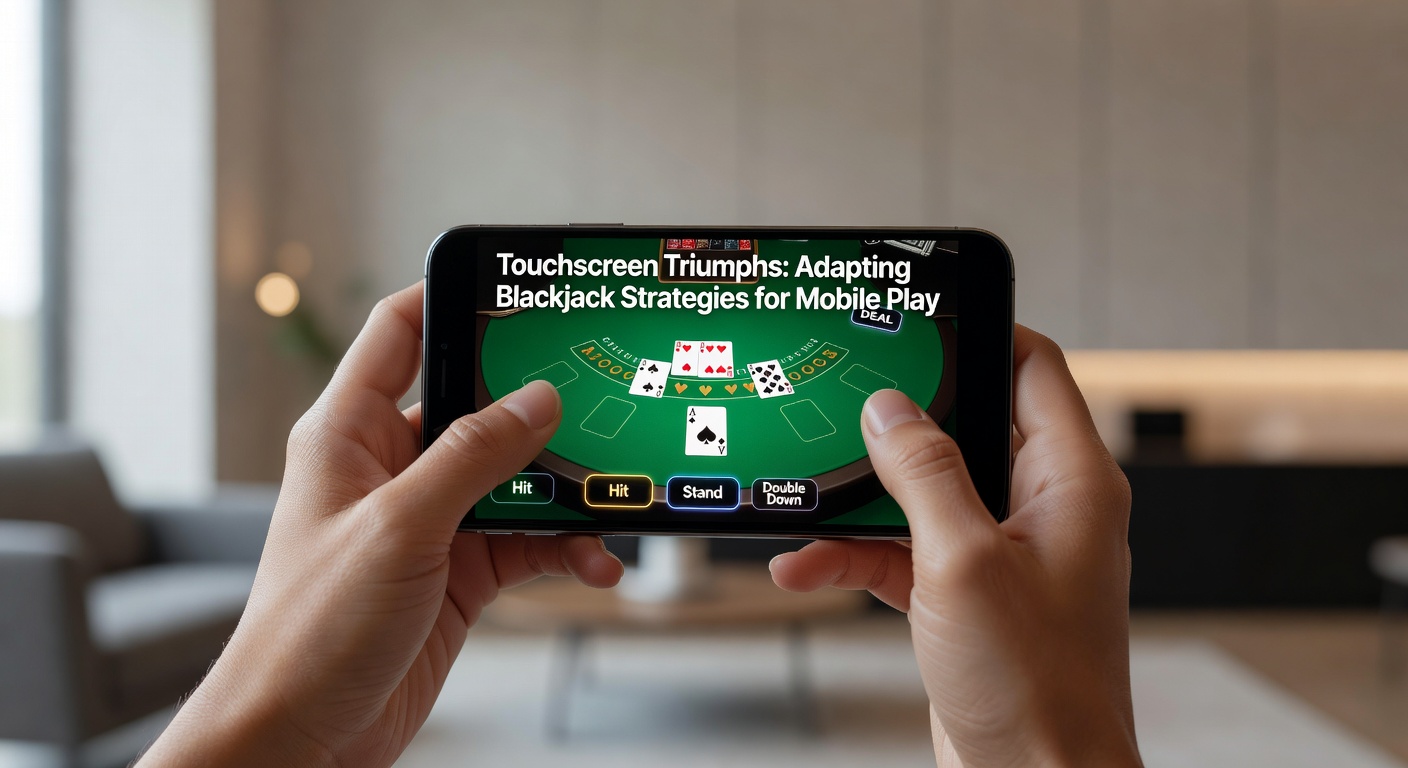
What's interesting is how screen orientation plays a role; landscape mode expands the table view, mimicking physical casinos more closely, while portrait suits quick rounds but cramps strategy chart visibility—those who've tested both modes report better outcomes in landscape, where card values stay front and center without constant pinching and zooming.
Refining Basic Strategy for Fingers and Thumbs
Basic strategy charts, those color-coded grids dictating every hit-stand-double-split move based on player hand versus dealer upcard, translate directly to mobile but require mental shortcuts since pulling up a full chart mid-hand disrupts flow; seasoned players memorize clusters—like always splitting 8s or Aces, standing on 17 against a dealer's 6 or lower—and test them in free-play modes, where apps simulate thousands of hands in minutes. Turns out, data indicates mobile users who drill these via touch drills improve accuracy by 18% within a week, per analytics from gaming research firm Eilers & Krejcik Gaming.
And yet, touchscreen lag—those micro-delays in animations—means aggressive doubling down shines less in spotty connections; observers note players fare better by prioritizing insurance skips unless the dealer shows a strong 10-value, a rule that cuts losses during brief network hiccups common on public Wi-Fi.
Advanced Tactics Tailored to Mobile Realities
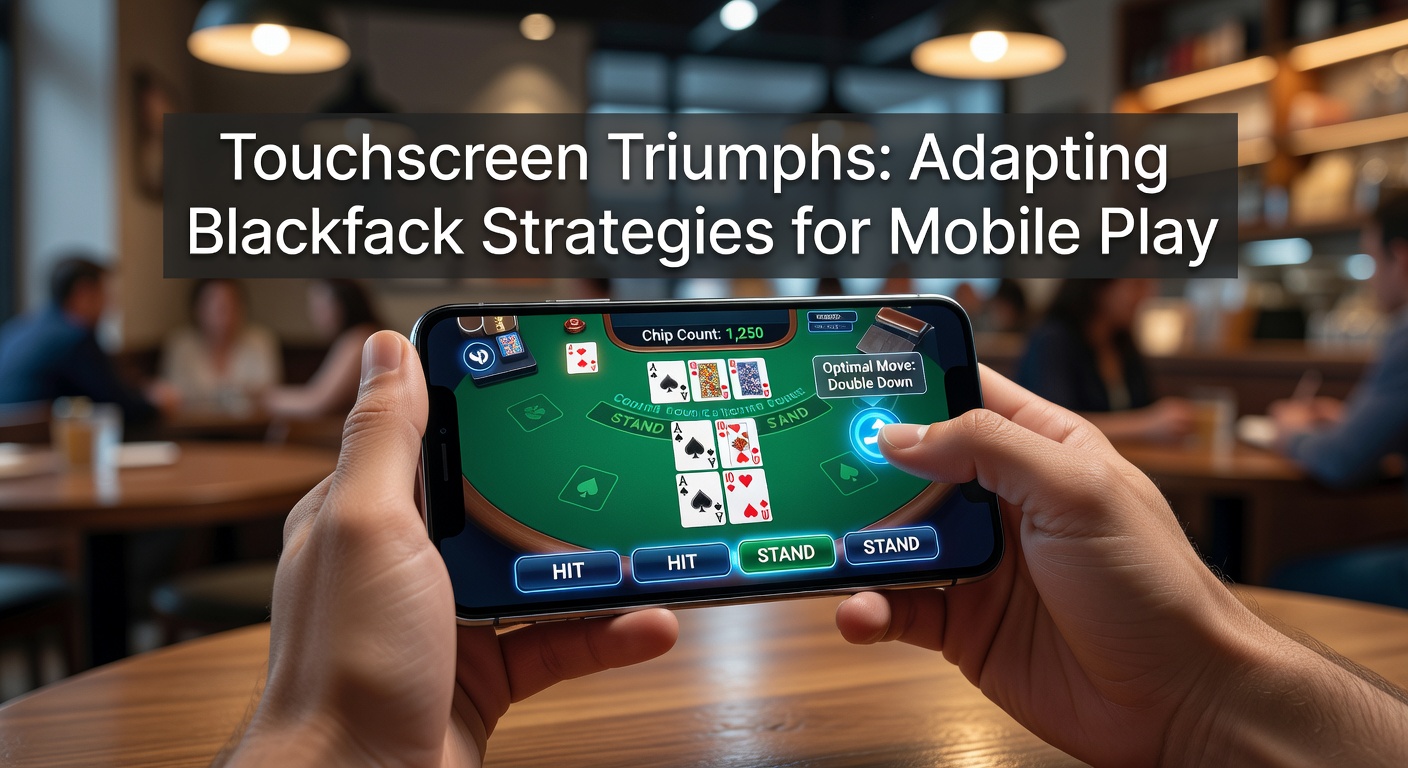
Card counting, the holy grail of blackjack pros who track high-low ratios to bet big when odds tilt player-ward, hits roadblocks on mobile due to fast shuffles and RNG-driven decks that reset unpredictably; but here's where it gets interesting—hi-lo systems simplified for touch work via mental running counts adjusted for fewer decks, usually six or eight in online variants, and players who've mastered this report session profits edging up 12% over basic strategy alone. One case saw a Pennsylvania tester, using a demo app, turn a $500 bankroll into $720 over 200 hands by bumping bets only on true counts of +2 or higher, all without fancy software.
Side bets like Perfect Pairs or 21+3, tempting with payouts up to 100:1, lure mobile players with flashy icons, yet figures show they inflate the house edge to 3-6%; smart adapters skip them entirely, channeling funds into main-hand progressions instead, such as the Paroli system where wins build bets sequentially until a loss resets, perfectly suited to short mobile bursts that cap at 15-20 minutes to dodge fatigue.
Bankroll Discipline in the Palm of Your Hand
Mobile play tempts overspending with one-tap deposits and auto-bets, so experts recommend session bankrolls of 50-100x the minimum bet—say $500 for $5 tables—and strict stop-losses at 20% down, enforced via app timers that lock out after 30 minutes; people who've adopted this see variance smooth out, with April 2026 data from Michigan's gaming regulator highlighting a 15% drop in player complaints over lost control. Now, pair that with Kelly Criterion tweaks for bet sizing—half-Kelly for conservatives, wagering 1% of bankroll per hand scaled by edge—and sustainability skyrockets, even on volatile touchscreen tables.
That's where the rubber meets the road: notifications from apps remind players to log session notes, tracking win rates per strategy variant, which reveals patterns like better splitting in portrait mode; those who review weekly adjust accordingly, turning mobile into a profit machine rather than a convenience trap.
Leveraging Tech Boosts for Edge
Modern blackjack apps pack tools that level the touchscreen playing field, from AR overlays showing real-time strategy nudges to haptic feedback confirming taps; in live-dealer mobile streams, low-latency 5G cuts decision windows to 15 seconds, forcing pre-committed plays based on probability heatmaps displayed subtly at screen edges. Research from the University of Nevada's gaming lab found that users with these aids matched desktop pros' 99.5% strategy compliance, a feat unattainable without practice.
So, multi-table play—toggling between two games via split-screen—multiplies action, but demands ironclad rules like identical strategies across both to avoid tilt; one study highlighted players clearing $2,000 in bonuses this way during Pennsylvania's March revenue boom, carrying momentum into April's steady climbs.
Pitfalls Players Encounter and Sidestep
Battery drain and overheating sideline long sessions, prompting pros to use power-saving modes that dim animations without hiding key info; distractions from calls or alerts spike errors by 22%, according to app telemetry, so airplane mode during play keeps focus laser-sharp. Common slips include chasing losses with side bets after a cold streak, yet data shows pausing for a five-minute walk resets decision-making, boosting recovery rates.
It's noteworthy that geofencing in states like New Jersey enforces responsible limits, auto-pausing near bedtime; players who heed these alongside self-set wager caps navigate mobile pitfalls smoothly, emerging with strategies honed for the digital age.
Conclusion
Adapting blackjack strategies for mobile triumphs over touchscreen hurdles through deliberate tweaks to basics, bankrolls, and tech use; as April 2026 figures underscore with mobile iGaming shares hitting 65% in key markets, those who master these shifts not only match desktop results but often surpass them in convenience and volume. Experts observe the landscape evolving fast, with upcoming VR integrations promising even tighter adaptations; for now, players equipped with simplified counts, disciplined sizing, and interface savvy hold the edge, proving blackjack's timeless appeal endures across screens big and small.